
Zein Pharma Pharmaceutical Industries had the honor of welcoming an official delegation from the European Union (EU in Syria) at the company’s headquarters. The high-level visit provided a valuable platform for constructive dialogue on the essential role played by national pharmaceutical manufacturing in supporting public health infrastructure, securing local medical supply chains, and meeting patient needs. Highlights of the Visit Strengthening Healthcare Dialogue: Discussions focused on the strategic importance of domestic drug manufacturing in expanding access to high-quality essential medicines. Appreciation to International & National Partners: Zein Pharma expressed its gratitude to the European Union delegation for their interest in the Syrian pharmaceutical sector, as well as to the Syrian Ministry of Health for its ongoing support in developing national manufacturing capabilities. Commitment to Quality & Recovery: The meeting reinforced the importance of multi-stakeholder collaboration to advance the healthcare landscape, maintain international quality standards, and support long-term recovery and development efforts. Zein Pharma remains dedicated to building impactful partnerships that drive healthcare forward and ensure reliable access to safe, effective medicines for all. #For_Health_For_Life_For_Everyone

Scientific Launch of Vonozein in Hama Governorate
Under the sponsorship of Zein Pharma Pharmaceutical Industries, a scientific launch symposium was held in Hama Governorate to introduce Vonozein (Vonoprazan 10–20 mg). The symposium brought together a distinguished gathering of leading physicians, gastroenterologists, and healthcare professionals from across the governorate for an in-depth clinical dialogue on modern approaches to managing acid-related disorders and Gastroesophageal Reflux Disease (GERD). Key Scientific Highlights Clinical Lecture by Dr. Bishr Daboul: The scientific session featured a presentation detailing the pharmacological profile and distinct mechanism of action of Vonoprazan (a Potassium-Competitive Acid Blocker – PCAB). Comparative Clinical Benefits: The discussion highlighted how Vonozein delivers faster onset of action, potent acid inhibition, and sustained intragastric pH control compared to traditional PPI therapies. Interactive Medical Dialogue: Participating clinicians shared insights on real-world treatment challenges, patient adherence, and optimizing therapeutic outcomes in acid-peptic disorders. Zein Pharma extends its gratitude to all attending physicians and specialists for their participation and scientific engagement, reaffirming our commitment to advancing healthcare solutions and supporting continuous medical education. #For_Health_For_Life_For_Everyone

Zein Pharma Scientific Offices Hold Periodic Performance & Growth Review Meeting
As part of its ongoing operational review and commitment to institutional excellence, Zein Pharma Pharmaceutical Industries convened its periodic meeting for members of its scientific offices. The session was dedicated to reviewing key achievements from the first quarter (Q1), evaluating market performance and sales indicators, and discussing strategic opportunities and operational challenges for the upcoming phase. Highlights of the Meeting & Facility Tour Performance & Market Analytics: Teams assessed Q1 performance benchmarks, regional sales milestones, and future strategic growth avenues across pharmaceutical markets. Manufacturing & QA Facility Tour: The event included a comprehensive on-site tour across company departments, where scientific office representatives reviewed the latest production lines, modern formulation technologies, and stringent quality control protocols. Fostering Cross-Departmental Synergy: The gathering reinforced seamless collaboration and knowledge exchange between corporate divisions, ensuring aligned goals and solidifying Zein Pharma’s position as a trusted healthcare partner. Through continuous development, rigorous quality standards, and close organizational teamwork, Zein Pharma moves forward toward greater milestones and clinical value. #For_Health_For_Life_For_Everyone
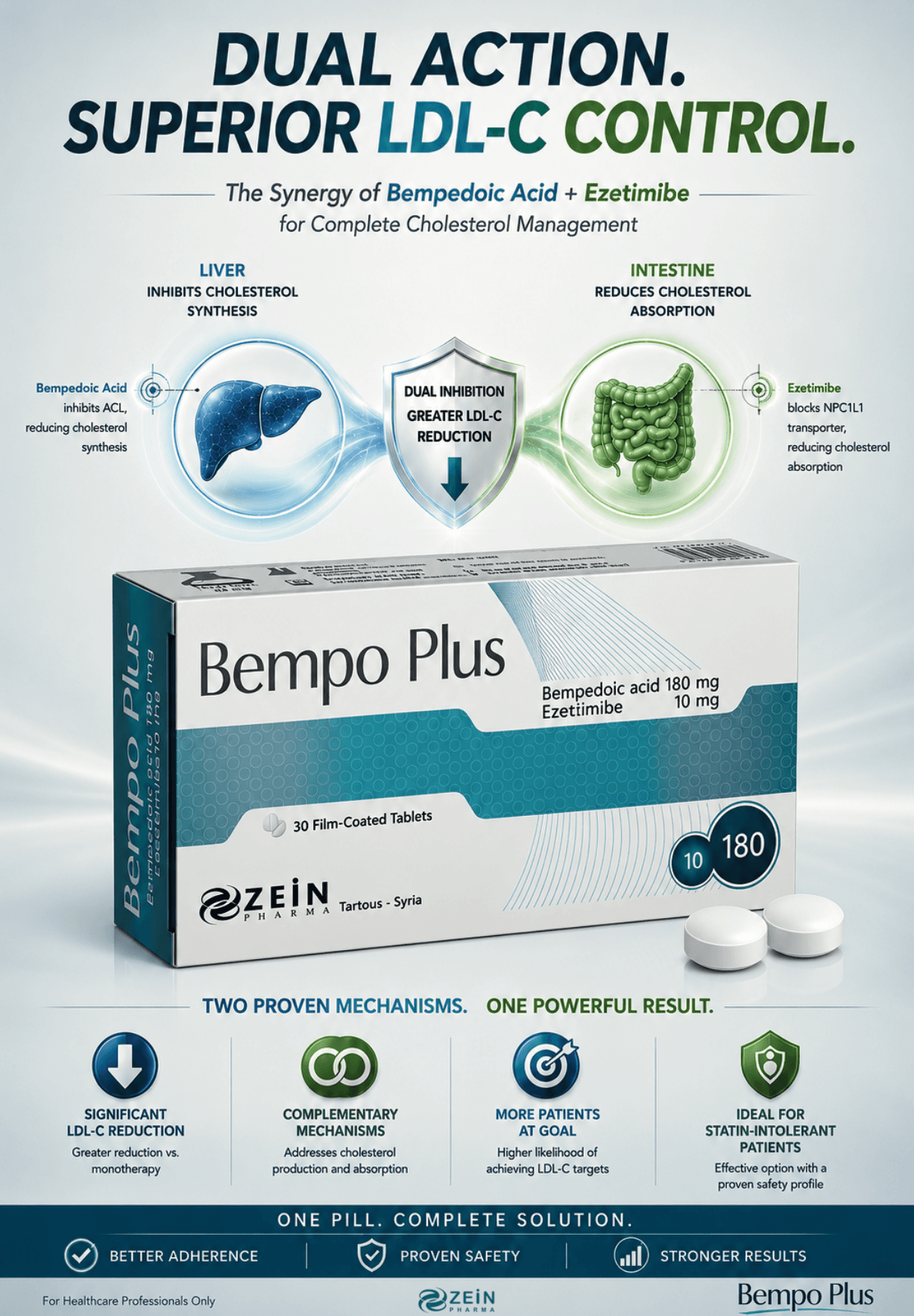
Bempo Plus: Dual-Inhibition Synergy in LDL-C Lowering and Cardiovascular Risk Management
1. Introduction: Overcoming Challenges in LDL-C Target Achievement Despite the widespread use of statins, many high- and very-high-risk cardiovascular patients fail to reach their strict LDL-C goals due to treatment limits or statin intolerance. Managing dyslipidemia effectively often requires addressing both endogenous cholesterol production and intestinal absorption simultaneously. Bempo Plus, manufactured by Zein Pharma, combines two non-statin lipid-lowering therapies into a single daily fixed-dose film-coated tablet: Bempedoic Acid (180 mg): Acts in the liver by inhibiting adenosine triphosphate-citrate lyase (ACL), suppressing cholesterol biosynthesis upstream of HMG-CoA reductase. Ezetimibe (10 mg): Acts in the small intestine by blocking the Niemann-Pick C1-Like 1 (NPC1L1) transporter, inhibiting dietary and biliary cholesterol absorption. This complementary dual-mechanism delivers comprehensive lipid control while remaining suitable for statin-intolerant patients. 2. Guideline Recommendations: ESC/EAS 2025 Focused Update In the latest ESC/EAS Guidelines for the Management of Dyslipidaemias, combination non-statin therapy holds a prominent place in pharmacological cholesterol reduction algorithms: Class 2a Recommendation (Level of Evidence: C): The addition of Bempedoic Acid to the maximally tolerated dose of a statin, with or without Ezetimibe, should be considered in patients at high or very high cardiovascular risk to achieve LDL-C goals. Combination Potency Benchmarks: Bempedoic Acid + Ezetimibe (BA + EZE): Provides an average 38% reduction in LDL-C. High-Intensity Statin + Ezetimibe + Bempedoic Acid: Achieves up to a 68% reduction in baseline LDL-C. 3. Clinical Study Highlights: Phase 3 Trial 053 The 053 Clinical Trial was a 12-week, randomized, double-blind, Phase 3 study in 301 patients with heterozygous familial hypercholesterolemia (HeFH), established cardiovascular disease (CVD), or multiple CVD risk factors receiving maximally tolerated statins. Primary Endpoint: Robust LDL-C Reductions (p < 0.001) Bempo Plus: -36.0% reduction from baseline ($-38.0%$ placebo-corrected). Ezetimibe Monotherapy: -23.2% reduction. Bempedoic Acid Monotherapy: -17.2% reduction. Placebo: +2.0% increase. Bempo Plus demonstrated statistically superior LDL-C lowering compared to both Ezetimibe (p < 0.001) and Bempedoic Acid monotherapy (p < 0.001). Dual Advantage: Anti-Inflammatory Impact on hsCRP In addition to lipid lowering, Bempo Plus significantly reduced high-sensitivity C-reactive protein (hsCRP), a core systemic marker of vascular inflammation: Bempo Plus: -35.1% reduction in hsCRP from baseline. Bempedoic Acid: -31.9% reduction. Ezetimibe: -8.2% reduction. Placebo: +21.6% increase. 4. Product Specifications Summary Feature Specification Brand Name Bempo Plus Active Ingredients Bempedoic Acid ($180text{ mg}$) + Ezetimibe ($10text{ mg}$) Dosage Form Film-coated tablets Pack Size 30 Film-Coated Tablets Mechanism of Action Dual ACL enzyme inhibitor & NPC1L1 absorption blocker Manufacturer Zein Pharma (Tartous – Syria) 5. Dosage & Clinical Administration Standard Dosage: One Bempo Plus tablet (180 mg / 10 mg) taken orally once daily. Administration: Can be taken with or without food. Target Patient Populations: Patients with primary hyperlipidemia, established ASCVD, or statin intolerance who need to reach strict LDL-C thresholds. Disclaimer: This medical overview is prepared for healthcare professionals and educational reference. Treatment choices should always follow physician assessment and local prescribing information.
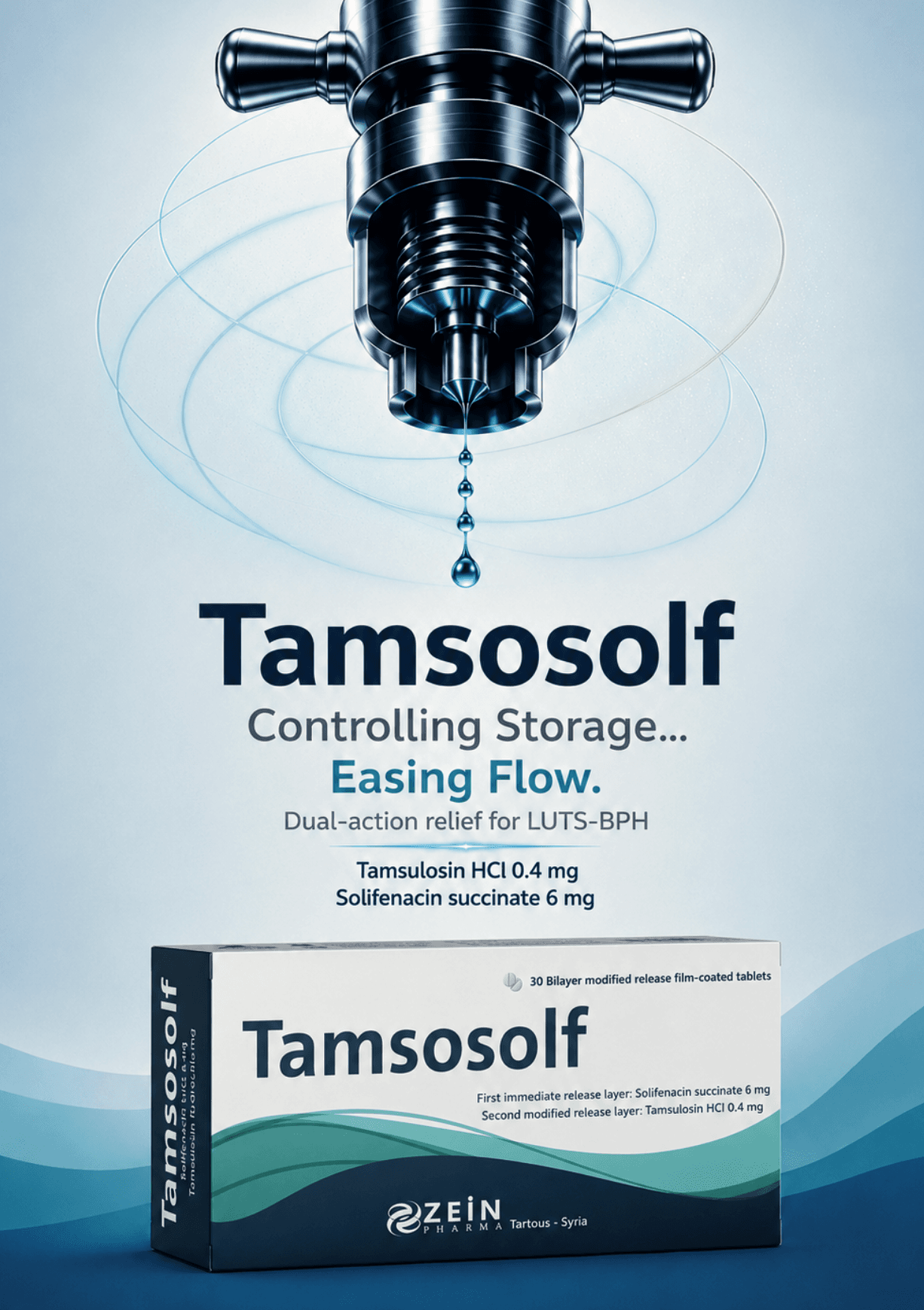
Tamsosolf: Clinical Evidence and Guideline Recommendations in Male LUTS & BPH
1. Introduction: Addressing the Dual Challenge of Male LUTS/BPH Lower Urinary Tract Symptoms associated with Benign Prostatic Hyperplasia (LUTS/BPH) are broadly divided into two clinical components: Voiding Symptoms: Poor stream, hesitancy, straining, and terminal dribbling caused by bladder outlet obstruction. Storage (Irritative) Symptoms: Urgency, increased daytime frequency, urgency urinary incontinence (UUI), and nocturia. While α1-blocker monotherapy improves urine flow, many patients continue to suffer from persistent, bothersome storage symptoms. Tamsosolf, manufactured by Zein Pharma, offers a targeted dual-action combination formulated in an advanced bilayer modified-release tablet: First Immediate-Release Layer: Solifenacin succinate (6 mg) to control bladder overactivity and urgency. Second Modified-Release Layer: Tamsulosin HCl (0.4 mg) to relax prostatic smooth muscle and ease flow. 2. Global Urological Guidelines Endorsement International urological associations give strong backing to combination therapy for patients with mixed voiding and storage symptoms: European Association of Urology (EAU 2025 Guidelines) α1-Blockers (Strong Recommendation, Level 1a): Effective in significantly reducing urinary symptom scores (IPSS) and increasing peak urinary flow rate (Qmax). Muscarinic Receptor Antagonists (Strong Recommendation, Level 2): Significantly improve urgency, urgency incontinence, and daytime frequency. In men with a baseline post-void residual (PVR) volume <150 mL, acute urinary retention remains a rare event. Algorithm: Recommends adding a muscarinic receptor antagonist when residual storage symptoms persist after initial monotherapy. American Urological Association (AUA 2023 Guidelines) Recommends α1-blockers (including Tamsulosin) as standard first-line options for bothersome, moderate-to-severe LUTS/BPH (Grade A Evidence). Recommends anticholinergic agents alone or combined with an α1-blockers for patients presenting with moderate-to-severe predominant storage symptoms. 3. Clinical Study Highlights: Combination Therapy vs. Monotherapy Superiority Over Tamsulosin Monotherapy (Meta-Analysis, 17 Studies, N = 3,767) In a comprehensive systematic review and meta-analysis comparing Tamsulosin + Solifenacin against Tamsulosin monotherapy: Total IPSS Improvement: Statistically superior symptom reduction (p < 0.0001). Peak Urinary Flow (Q max): Greater enhancement in maximum urinary flow rate (p = 0.013). Overactive Bladder Symptom Score (OABSS): Significant reduction in bladder overactivity symptoms (p = 0.001). Quality of Life (QoL): Marked improvement in overall patient satisfaction and quality of life scores (p = 0.005) without increasing the clinical risk of dysuria. Significant Control of Storage Symptoms (Meta-Analysis, N = 3,063) In a dedicated meta-analysis evaluating storage parameters: Storage IPSS Score: Statistically superior symptom control compared to monotherapy (p < 0.0001). Micturition Frequency: Significant reduction in 24-hour micturitions (p < 0.0001). Urgency Episodes: Substantial decrease in daily sudden urgency episodes (p = 0.018). 4. Product Specifications Summary Feature Specification Brand Name Tamsosolf Active Ingredients Solifenacin Succinate ($6text{ mg}$) + Tamsulosin $text{HCl}$ ($0.4text{ mg}$) Dosage Form Bilayer modified-release film-coated tablets Pack Size 30 Bilayer Tablets Drug Class Antimuscarinic / Alpha-1 Adrenoceptor Antagonist Combination Manufacturer Zein Pharma (Tartous – Syria) 5. Dosage & Administration Guidelines Standard Dosage: One Tamsosolf tablet ($6text{ mg} / 0.4text{ mg}$) once daily. Method of Administration: Taken orally once daily, with or without food. Tablets should be swallowed whole with water and not crushed or chewed. Maximum Daily Dose: One tablet ($6text{ mg} / 0.4text{ mg}$) per day. Disclaimer: This scientific summary is intended for healthcare professionals and educational reference. Clinical therapy choices must be determined by a qualified urologist or physician based on individual patient assessment.
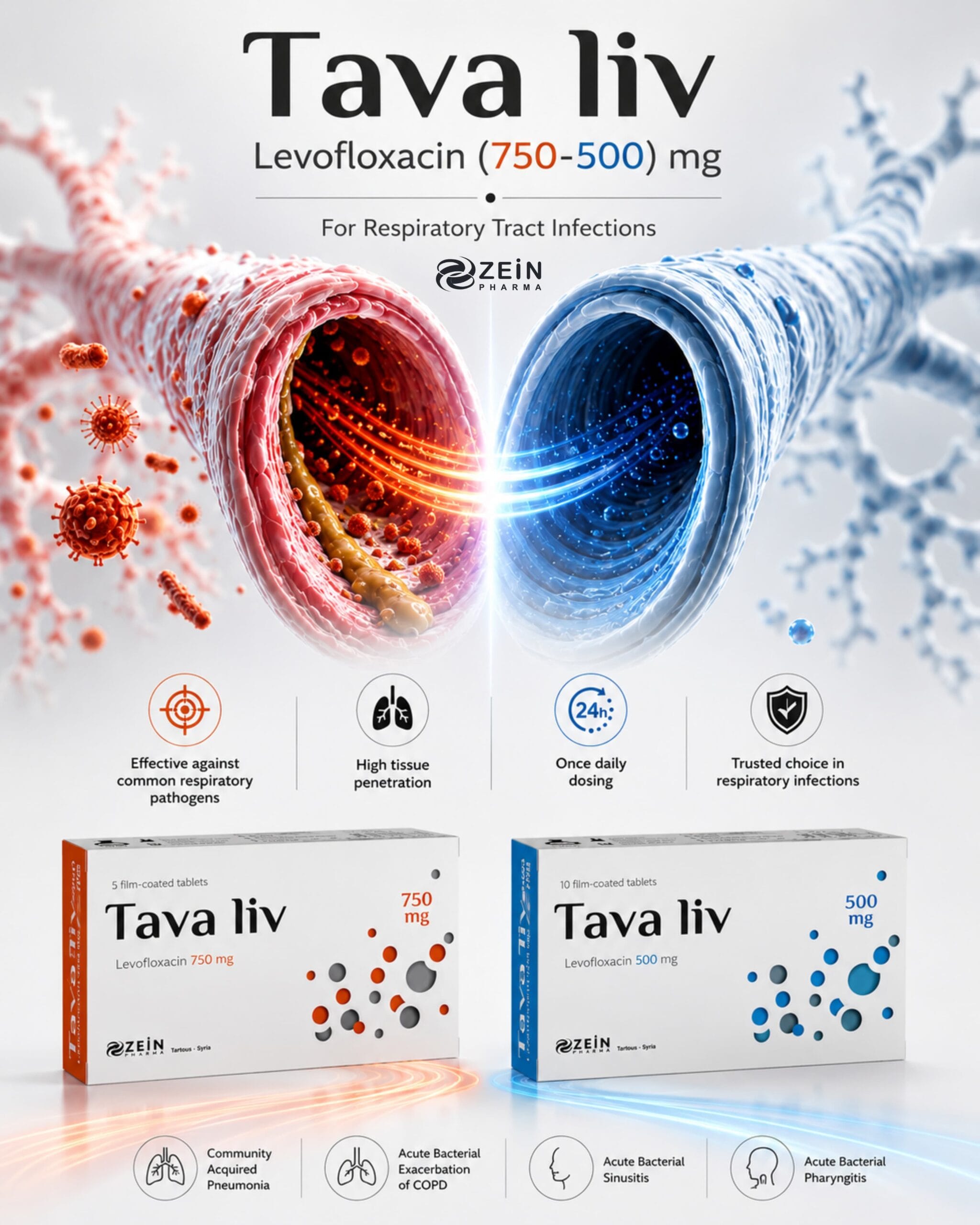
Tava liv (Levofloxacin): Targeted Treatment for Respiratory Infections
1. What is Tava liv? Tava liv is a prescription broad-spectrum antibiotic containing Levofloxacin, available in 500 mg and 750 mg strengths. It belongs to the fluoroquinolone class of antimicrobial agents and is engineered to target and eliminate bacterial pathogens causing moderate to severe respiratory tract infections. 2. Key Clinical Indications Tava liv is clinically indicated for the treatment of adult bacterial infections, including: Community-Acquired Pneumonia (CAP): Lung infections acquired outside hospital settings. Acute Bacterial Exacerbation of Chronic Bronchitis / COPD: Flare-ups in patients with chronic respiratory conditions. Acute Bacterial Sinusitis: Severe sinus cavity infections caused by susceptible bacterial strains. Acute Bacterial Pharyngitis & Upper Airway Infections: Target-specific bacterial infections of the throat and upper tract. 3. How It Works (Mechanism of Action) Unlike narrow-spectrum alternatives, Levofloxacin exerts a bactericidal effect by directly inhibiting two essential bacterial enzymes: DNA Gyrase (topoisomerase II) Topoisomerase IV By blocking these enzymes, Tava liv prevents bacterial DNA replication, repair, and transcription, leading to rapid cellular breakdown of the infectious pathogen. 4. Why Tava liv? (Core Advantages) High Tissue Penetration: Reaches deep into lung parenchyma and bronchial tissue for effective therapeutic concentrations at the site of infection. Broad-Spectrum Coverage: Effective against common Gram-positive, Gram-negative, and atypical respiratory pathogens (such as Streptococcus pneumoniae, Haemophilus influenzae, and Mycoplasma pneumoniae). Once-Daily Dosing (24h): Sustained pharmacokinetics allow for a convenient once-every-24-hours dosing schedule, improving patient compliance. Flexible Strengths: Available in 500 mg (10 film-coated tablets) and 750 mg (5 film-coated tablets) to suit individual prescription requirements. 5. Important Patient Guidelines Take as Prescribed: Complete the full course of treatment directed by your physician to prevent antibiotic resistance, even if symptoms improve early. Hydration: Drink plenty of fluids throughout the treatment course. Medical Consultation: This medication is available by prescription only. Inform your doctor if you have a history of tendon disorders, renal impairment, or are taking medications that interact with fluoroquinolones.
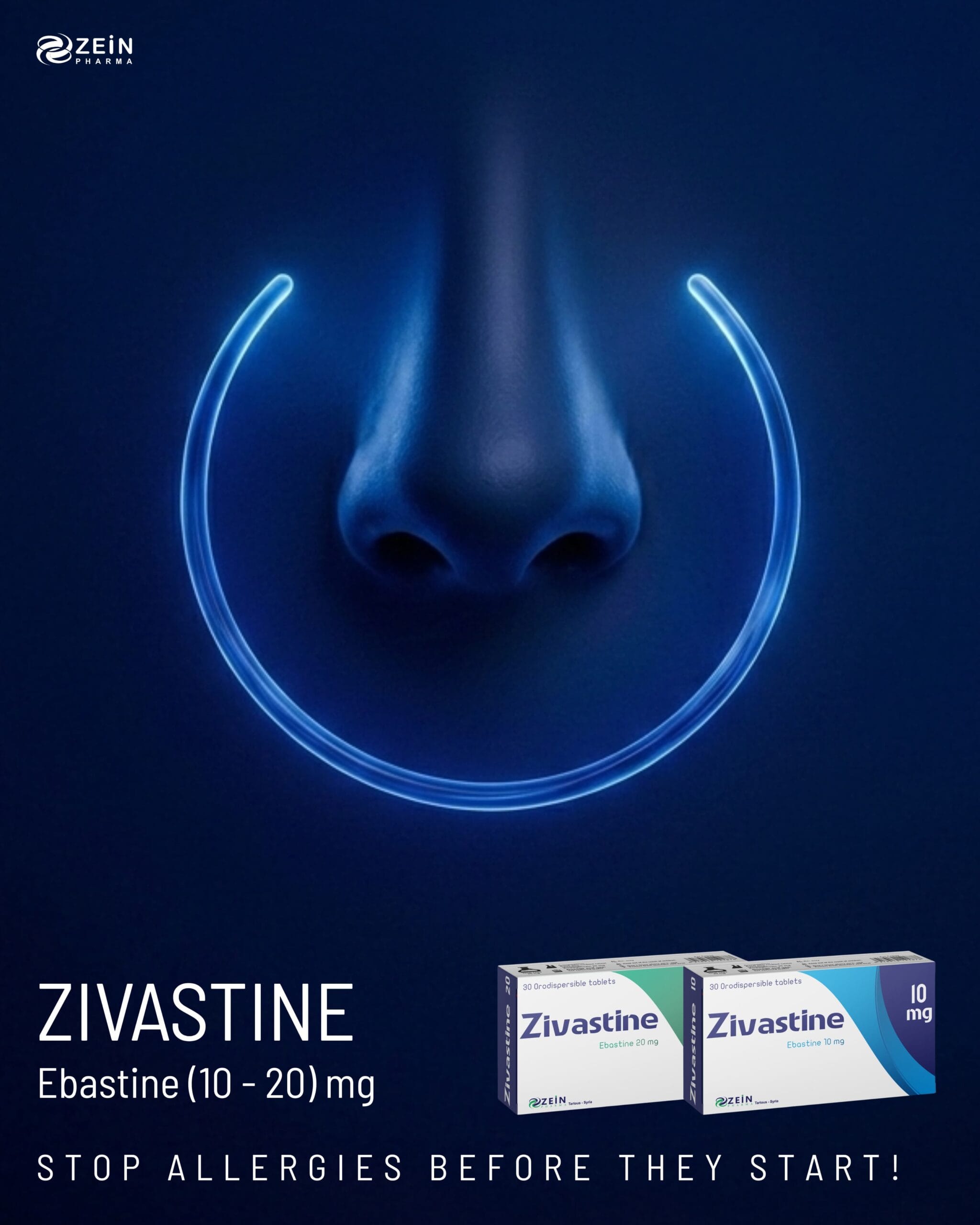
Zivastine: Next-Generation 24-Hour Relief from Allergic Rhinitis & Chronic Urticaria
1. What is Zivastine? Zivastine is a second-generation, long-acting histamine H1-receptor antagonist formulated with Ebastine. Developed to provide comprehensive control over allergic reactions, Zivastine targets both respiratory symptoms and dermatological allergy manifestations. Manufactured by Zein Pharma, Zivastine is delivered in modern Orodispersible Tablets (ODT) across flexible 10 mgand 20 mg dosage strengths. The fast-dissolving formulation ensures rapid absorption without requiring water, offering convenient on-the-go administration. 2. Key Clinical Indications Zivastine is indicated for the symptomatic treatment of: Seasonal Allergic Rhinitis (Hay Fever): Alleviates acute nasal congestion, repetitive sneezing, rhinorrhea (runny nose), and red, itchy, watery eyes. Perennial Allergic Rhinitis: Long-term management of indoor allergen triggers such as dust mites, mold spores, and pet dander. Allergic Rhinoconjunctivitis: Comprehensive relief addressing both upper respiratory and ocular symptoms. Chronic Spontaneous Urticaria & Acute Hives: Rapid suppression of wheals, intense skin itching (pruritus), and localized erythema (redness). 3. Why Choose Zivastine? Core Advantages True 24-Hour Continuous Efficacy: A single once-daily dose provides uninterrupted peripheral H1-blockade throughout the day and night. Minimal Sedation Profile: Engineered with minimal blood-brain barrier penetration, Zivastine does not induce daytime drowsiness or impair cognitive performance. Rapid Onset of Action: Fast-acting active metabolite (Carebastine) rapidly curbs histamine release to relieve symptoms within hours. Orodispersible Technology (ODT): Tablets melt on the tongue for fast intake and higher patient compliance. Flexible Strength Selection: 10 mg: Ideal for mild-to-moderate symptoms and baseline allergic rhinitis. 20 mg: Delivers enhanced symptom control for severe persistent rhinitis and refractory chronic urticaria. 4. Summary of Product Specifications Feature Specification Generic Name Ebastine Brand Name Zivastine Dosage Strengths 10 mg & 20 mg Dosage Form Orodispersible Tablets (ODT) Pack Size 30 Orodispersible Tablets (3 blisters × 10 tablets) Drug Class Second-Generation H1 Antihistamine Manufacturer Zein Pharma Pharmaceutical Industries 5. Dosage & Administration Guidelines Allergic Rhinitis: 10 mg once daily. In cases of severe or persistent symptoms, dosage may be titrated up to 20 mg once daily as advised by a healthcare provider. Chronic Urticaria: 10 mg or 20 mg once daily depending on the severity of urticarial outbreaks. Administration: Place tablet on the tongue until fully dispersed, then swallow. May be taken with or without food. Disclaimer: This content is for educational and informational purposes only and does not substitute professional medical advice. Always consult a licensed physician or pharmacist for medical diagnosis and treatment plans.
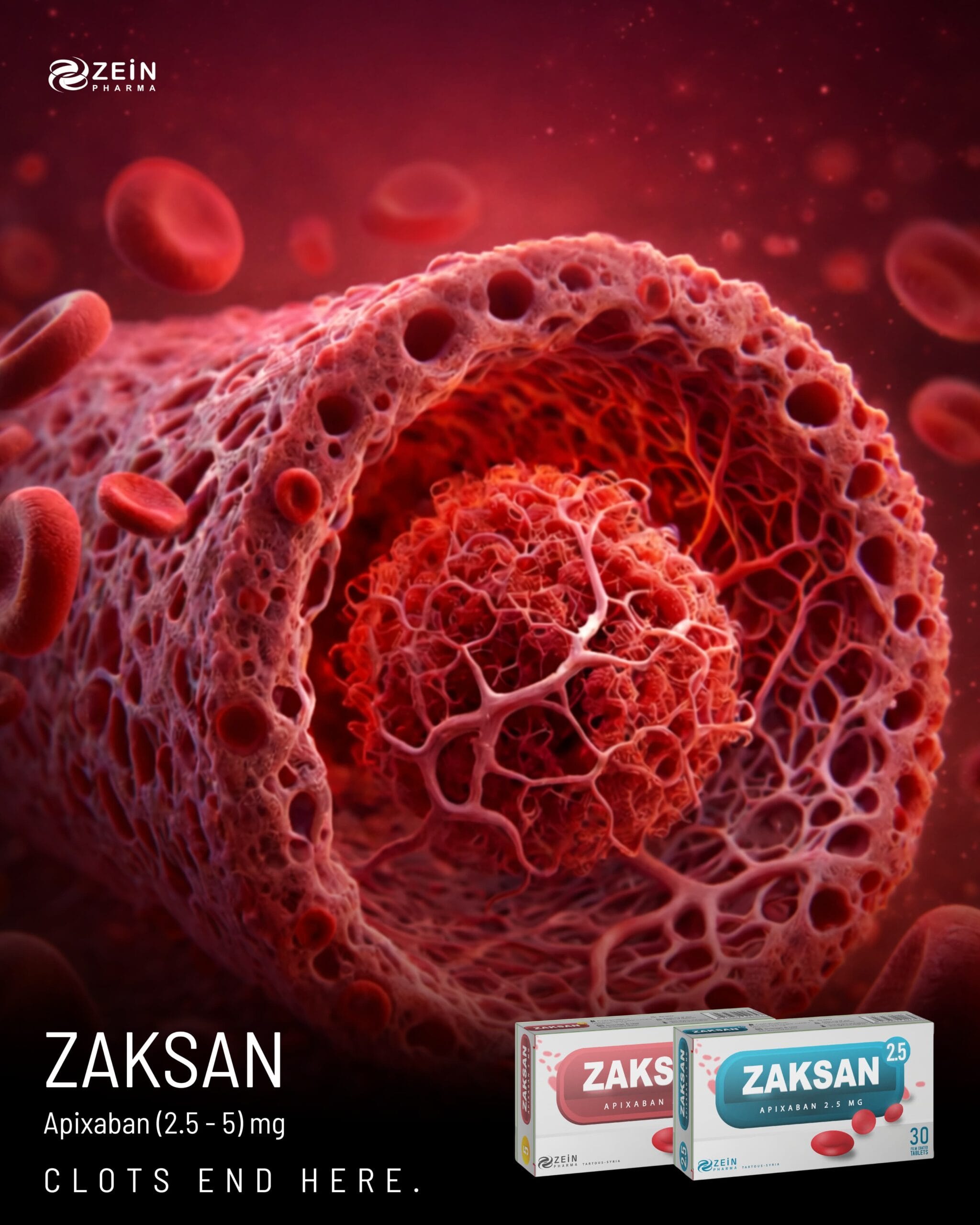
Zaksan: Next-Generation Anticoagulation for Stroke Prevention and Clot Protection
1. What is Zaksan? Zaksan is an advanced prescription anticoagulant containing the active substance Apixaban. Available in 2.5 mg and 5 mg film-coated tablets (30-tablet packs), Zaksan belongs to the modern class of Direct Oral Anticoagulants (DOACs). It is clinically formulated to inhibit harmful blood clot formation in veins and arteries while supporting steady, unobstructed blood circulation. 2. Key Clinical Indications Zaksan is indicated for the prevention and treatment of severe thromboembolic conditions, including: Stroke Prevention in Non-Valvular Atrial Fibrillation (NVAF): Reduces the risk of systemic embolism and ischemic stroke in patients with irregular heart rhythms. Deep Vein Thrombosis (DVT) Treatment & Prevention: Resolves blood clots forming in deep veins (commonly in the legs) and prevents their recurrence. Pulmonary Embolism (PE) Management: Treats blood clots that travel to the lungs, restoring normal vascular flow. Post-Surgical Prophylaxis: Prevents venous thromboembolic events in adult patients who have undergone elective hip or knee replacement surgery. 3. Scientific Mechanism of Action (How It Works) The blood coagulation cascade relies on a precise sequence of enzymatic steps to form fibrin clots: Direct Factor Xa Inhibition: Apixaban is a potent, direct, highly selective, and reversible inhibitor of Factor Xa (FXa). Stopping the Cascade Early: Factor Xa is the convergence point of the intrinsic and extrinsic clotting pathways. By binding to both free and clot-bound FXa, Zaksan stops the conversion of prothrombin to thrombin. Preventing Thrombus Formation: Without sufficient thrombin, fibrin clot formation and platelet activation are prevented, suppressing dangerous thrombi from blocking vital vessels. 4. Key Advantages Over Traditional Blood Thinners No Routine INR Monitoring: Unlike older vitamin K antagonists (such as Warfarin), Zaksan provides predictable pharmacokinetics without frequent laboratory blood draws. No Dietary Restrictions: Works consistently without dietary vitamin K interference (e.g., green leafy vegetables). Favorable Safety Profile: Demonstrates lower rates of major internal bleeding, specifically intracranial hemorrhage, compared to older generation anticoagulants. Dual Dosage Availability: Offered in 2.5 mg and 5 mg strengths to allow targeted dose adjustments based on age, body weight, and renal clearance. 5. Patient Usage Guidelines & Safety Advice Consistent Dosing: Typically taken twice daily with or without food. Maintaining regular intervals ensures continuous vascular protection. Bleeding Precautions: Because Zaksan slows clot formation, notify your physician if you notice unusual bruising, bleeding gums, frequent nosebleeds, or prolonged bleeding from minor cuts. Medical Consultations: Inform surgeons, dentists, and specialists that you are taking Zaksan before any scheduled procedure or dental work. Do Not Stop Abruptly: Discontinuing anticoagulation therapy prematurely increases the immediate risk of severe blood clots and stroke. Manufacturer: Zein Pharma Stopping clots before they stop life. Disclaimer: This article is intended for educational purposes only. Zaksan is a prescription medication. Always consult your cardiologist or physician for tailored medical guidance.
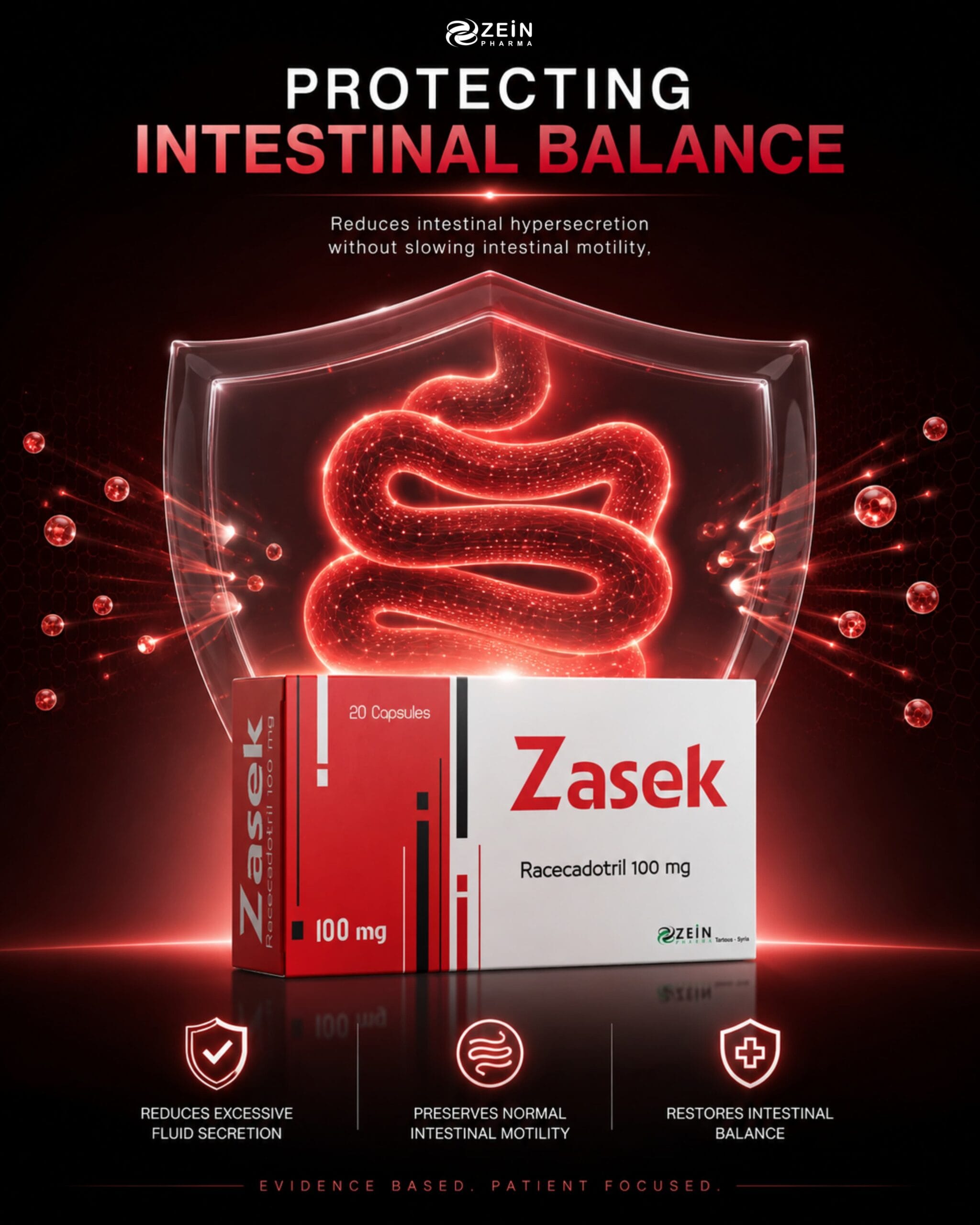
Zasek: Advanced Acid Suppression & Gastric Protection
1. What is Zasek? Zasek is an advanced prescription gastrointestinal therapy containing Esomeprazole, the purified (S)-enantiomer of omeprazole. As a second-generation Proton Pump Inhibitor (PPI), Zasek delivers powerful, long-lasting reduction of gastric acid production. It is engineered to heal mucosal damage, relieve painful heartburn symptoms, and protect the upper gastrointestinal tract from acid-mediated injury. 2. Key Clinical Indications Zasek is clinically indicated for the management and treatment of acid-peptic disorders, including: Gastroesophageal Reflux Disease (GERD): Healing of erosive esophagitis and long-term symptom relief from chronic heartburn and acid regurgitation. Peptic & Duodenal Ulcer Disease: Treatment and prevention of gastric and duodenal ulcers. NSAID-Associated Ulcer Prevention: Protection of the stomach lining in patients requiring continuous non-steroidal anti-inflammatory drug (NSAID) therapy. Helicobacter pylori Eradication: Used in combination with appropriate antibiotic regimens to eradicate H. pyloriinfections and reduce ulcer recurrence. Hypersecretory Conditions: Management of pathological hypersecretory states, including Zollinger-Ellison syndrome. 3. Scientific Mechanism of Action (How It Works) Gastric acid secretion is the final step in mucosal digestion, carried out by parietal cells in the stomach lining: Targeting the Final Pathway: Esomeprazole is a prodrug that accumulates selectively in the highly acidic canaliculi of gastric parietal cells. Covalent Enzyme Inhibition: In the acidic environment, it converts to its active form (a sulfonamide) and binds covalently to the H+/K+-ATPase enzyme system (the gastric proton pump). Sustained pH Elevation: By directly inhibiting this final common pathway, Zasek effectively suppresses both basal and stimulated acid secretion, maintaining an optimal intragastric pH for mucosal repair and symptom resolution. 4. Key Advantages of Zasek Higher Bioavailability & Consistency: As the single (S)-isomer, esomeprazole undergoes lower first-pass hepatic metabolism, resulting in higher plasma concentrations and more predictable acid control compared to racemic omeprazole. Prolonged Intragastric Control: Keeps gastric pH above 4.0 for a significantly longer duration over a 24-hour cycle, accelerating the healing of erosive lesions. Rapid Symptom Relief: Provides quick and sustained alleviation of daytime and nighttime reflux symptoms. 5. Administration & Patient Guidelines How to Take: Best taken once daily in the morning, at least 30 to 60 minutes before a meal, with a full glass of water. Do Not Crush or Chew: Tablets or delayed-release capsules should be swallowed whole to ensure the enteric coating protects the active ingredient from early stomach acid breakdown. Treatment Duration: Follow your physician’s prescribed course strictly. Do not extend treatment beyond the recommended timeframe without medical re-evaluation. 6. Important Precautions Medical Advice: Inform your physician if you have severe hepatic impairment or are taking medications metabolized by the CYP2C19 pathway (such as clopidogrel or diazepam). Long-Term Monitoring: Prolonged PPI use may require periodic monitoring of serum magnesium, calcium, and vitamin B12 levels. Red Flag Symptoms: Seek immediate medical attention if you experience severe dysphagia (difficulty swallowing), unexpected weight loss, or black/tarry stools. Manufacturer: Zein Pharma Targeted acid control for lasting digestive comfort. > Disclaimer: This article is intended for educational purposes only and does not substitute for professional clinical advice. Zasek is a prescription medication to be used under medical supervision.
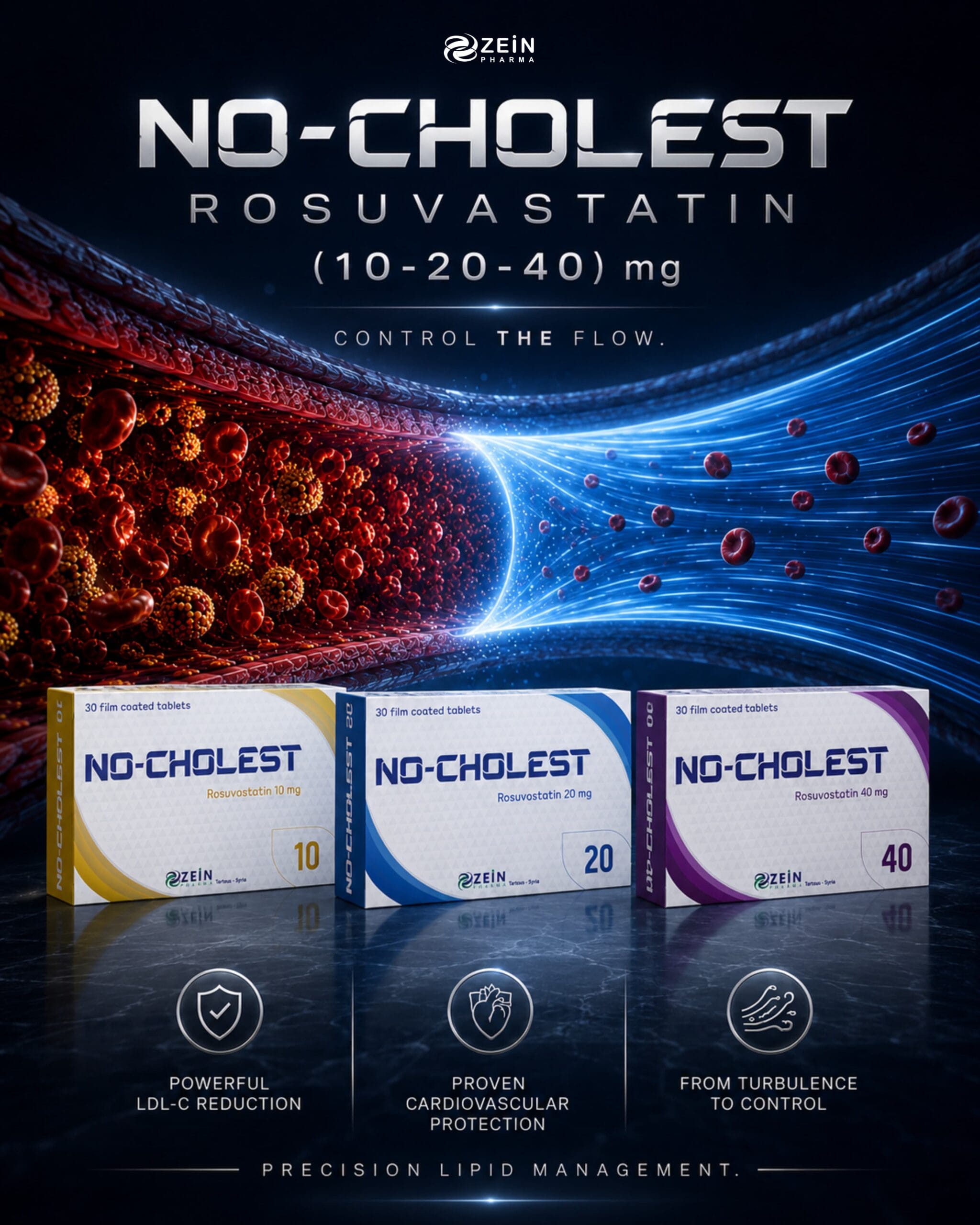
No Cholest: Dual-Action Cholesterol Management & Cardiovascular Support
1. What is No Cholest? No Cholest is a targeted prescription lipid-lowering agent formulated with Ezetimibe (or as a synergistic combination therapy with statins/nutraceutical lipid complexes). Unlike traditional medications that focus solely on liver cholesterol synthesis, No Cholest acts selectively at the brush border of the small intestine to block dietary and biliary cholesterol absorption, helping patients achieve optimal blood lipid levels and maintain clean, healthy arteries. 2. Key Clinical Indications No Cholest is clinically indicated as an adjunct to diet and lifestyle modifications for: Primary Hypercholesterolemia: Lowering elevated Total Cholesterol (TC), Low-Density Lipoprotein Cholesterol (LDL-C), and Apolipoprotein B (Apo B). Combination Therapy with Statins: Providing significant incremental LDL-C reductions in patients who cannot reach their target cholesterol goals with statin monotherapy alone. Statin-Intolerant Patients: Serving as an effective alternative monotherapy for individuals experiencing statin-associated muscle symptoms (SAMS) or hepatic sensitivities. Homozygous Familial Hypercholesterolemia (HoFH): Adjunctive treatment to suppress severe, genetically driven high cholesterol levels. Prevention of Atherosclerotic Cardiovascular Events: Reducing plaque buildup in arterial walls to lower long-term risk of heart attacks and strokes. 3. Scientific Mechanism of Action (How It Works) Cholesterol levels in the bloodstream originate from two distinct sources: internal production by the liver and external absorption from the digestive tract. Selective Transporter Inhibition: No Cholest localizes to the brush border of the small intestine and selectively inhibits the Niemann-Pick C1-Like 1 (NPC1L1) transport protein. Blocking Intestinal Uptake: By inhibiting NPC1L1, it directly prevents the uptake of both dietary cholesterol and biliary cholesterol into enterocytes without impairing the absorption of fat-soluble vitamins, triglycerides, or bile acids. Hepatic Clearance Activation: The resulting decrease in cholesterol delivery to the liver prompts hepatocytes to upregulate surface LDL receptors, accelerating the clearance of circulating LDL particles from the bloodstream. 4. Key Clinical Advantages Dual-Pathway Synergy: When paired with liver-targeting agents (like statins), it creates a comprehensive “production + absorption” dual blockade for maximal LDL reduction. Gentle on Muscle Tissue: Does not depend on the metabolic pathways commonly associated with statin-induced myopathy, making it exceptionally well tolerated. Once-Daily Dosing: Simple, convenient daily regimen taken with or without meals at any time of day. Complementary Cardiovascular Defense: Effectively reduces arterial inflammation markers (such as high-sensitivity C-reactive protein / hs-CRP). 5. Dosage & Administration Guidelines How to Take: Take one tablet daily, with or without food. Maintain a consistent schedule every day. Dietary Synergy: Most effective when combined with a heart-healthy diet low in saturated fats and refined sugars, alongside routine physical exercise. Combination Timing: If co-administered with bile acid sequestrants (such as cholestyramine), take No Cholest at least 2 hours before or 4 hours after the sequestrant to avoid absorption interference. 6. Important Precautions & Patient Advice Prescription Use: Take strictly as directed by your physician. Do not alter your dosage without medical consultation. Monitoring: Baseline and periodic liver enzyme tests (ALT/AST) and lipid panels are recommended, especially when used in combination with a statin. Pregnancy & Nursing: Consult your healthcare provider before use if you are pregnant, planning to become pregnant, or breastfeeding. Report Persistent Symptoms: Inform your healthcare team if you experience unexplained persistent abdominal discomfort, fatigue, or unusual weakness. Manufacturer: Zein Pharma Targeting absorption at the source for balanced, lifelong vascular health. > Disclaimer: This article is intended for educational purposes only and does not substitute for clinical evaluation. No Cholest is a prescription medication to be used under the guidance of a qualified healthcare practitioner.